Telemedicine app development

We build telemedicine apps and telehealth platforms for startups, scale-ups and enterprises in healthcare. Video visits, the clinician portal behind them, booking, remote monitoring and the patient app, on web, iOS and Android.

Telemedicine is clinical care delivered at a distance. That includes live video consultations, asynchronous care where a patient sends photos, readings or questions for a clinician to review later, and remote patient monitoring between visits. A telehealth product usually has three parts: a patient app, a clinician portal, and the scheduling, records and video layer between them. We design and build the three together. The rest of our healthcare work, from medical device apps to clinical AI, sits on our healthcare software development page.

Video consultation apps

A video visit has to work on a patient's phone, on a weak connection, for someone who may be unwell and has never opened the app before. Getting into the call, checking camera and microphone first, and knowing what happens when the line drops are where most of the design work goes.

For Vita Health, a US teletherapy and psychiatry service for 12 to 24-year-olds, we built iOS, Android and web apps with integrated video calls for appointments, and single sign-on so clinicians and patients get in safely and easily. The apps run on SwiftUI and Jetpack Compose, with a Ruby on Rails backend on AWS.

Clinician portals for virtual care

The clinician's side of a virtual visit carries the schedule, the patient record, notes, follow-ups and the admin around every appointment. The portal has to fit the routine and tools a clinician already works with.

Vita Health's clinicians work from a central web portal where they manage appointments, patient information and administrative tasks, while patients use the mobile apps to manage appointments, access their health records and talk to their clinician.

Appointment booking and scheduling

Booking has to cope with two patients reaching for the same slot, a clinician changing their availability and visits paid for up front. Reminders, time zones, cancellations and refunds all have to resolve without anyone at the clinic stepping in.

We build booking end to end. On LifePlans, a web platform where families get one-on-one guidance from a dedicated LifePlanner, we built the scheduling system: availability calendars, a booking flow with slot holds so two clients never claim the same time, Stripe checkout and automatic Google Calendar invites with Meet links, with rescheduling, cancellations and refunds handled in the product.

Remote patient monitoring apps

Remote patient monitoring follows a patient between visits, through readings sent by connected devices such as blood pressure cuffs or glucose meters, through symptoms and habits the patient logs by hand, or both. Weeks of those entries have to become something a clinician can read in the few minutes a follow-up allows.

HealMate does that for people living with rare diseases. Patients log symptoms and habits in a mobile app, doctors look for patterns on a web dashboard, and the shared results help decide adjustments to each patient's treatment plan. Monitoring that runs on connected hardware is part of our IoT software development work.

Asynchronous care and remote diagnostics

Not every remote consultation is live. In store-and-forward telemedicine, a scan, a recording or a set of photos is captured in one place and read by a specialist somewhere else, which brings specialist review to places with no specialist on site.

BrainCapture links an Android app to an EEG cap and amplifier so EEG scans used to detect epilepsy can be run in low-resource settings, working offline and uploading securely for a specialist to read remotely. U-Image shows the sharing side of it. We built an Android app for the images and videos captured with its wireless ultrasound devices, where doctors, medical staff, students and trainees organise, annotate and securely share scans in a cloud library.


our services

custom telemedicine app development

projects

our work

We specialise in premium mobile app development services, web development services, and everything that revolves around them: Product Design, Product Strategy, AI integration, QA and maintenance. Over the years, we've not only built powerful digital products but also played a key role in boosting conversion rates, optimizing performance, adapting to growing user bases, and improving app store rankings and reviews. These efforts have driven greater user engagement and significantly increased revenue.

Curious to see more?

See our work in Healthcare

partners whotrustus

From startups to scale-ups and industry giants—brands across various industries choose us as their trusted partners. They rely on us to transform their ideas into stunning products, deliver innovative solutions, and enhance existing projects to help them stand out in the market.

AI in telemedicine

Where does AI fit in a telehealth product? Mostly in the work around the visit. An intake assistant can collect symptoms and history before the call, and ambient documentation can draft the clinical note after it. SOARR, an AI medical documentation platform built by emergency physicians and developed by our team, captures the patient-clinician conversation, transcribes it and generates a structured note for review. Its published result is up to 50% less documentation time per shift, and the clinician keeps full control over the final note.

See our AI Development Services
FAQ

frequently asked questions

wolf
The patient app, the clinician portal and everything between them. That means video consultations, booking and payments, messaging, access to records, remote monitoring and asynchronous review of scans or photos, on web, iOS and Android.
The two are often used interchangeably. Telemedicine usually means clinical care delivered remotely, such as a video consultation or a remote diagnosis. Telehealth is the wider term and also covers remote monitoring, patient education and the administrative side of care. We build both.
Yes. We build HIPAA-ready software, and Vita Health, the teletherapy platform we built, is HIPAA compliant. We hold ISO 27001:2022 certification for our information security management system. In a telehealth product that means AES-256 encryption at rest and TLS 1.2+ in transit, role-based access, multi-factor authentication where the role warrants it and audit logs for traceability. Patient data from the EU or UK is special-category data under GDPR, and we plan for it alongside HIPAA.
Yes. HealMate lets people with rare diseases log symptoms and habits on mobile while their doctors follow the patterns on a web dashboard. We also build monitoring that reads from connected devices.
It depends on the platforms you need, whether the product runs live video, asynchronous care or both, how much clinical workflow the clinician portal models and which systems it connects to. We usually work on time and materials, and fixed-price projects are also an option. Building AI-native costs less over time, because AI takes on the repetitive work and a senior engineer reviews everything that ships. Our AI estimator gives a first number from a description of your product.
Yes. Telemedicine is one part of our healthcare software development work, which also covers medical device apps, mental health apps, AI clinical documentation and pharmacy software.
insights

pack knowledge

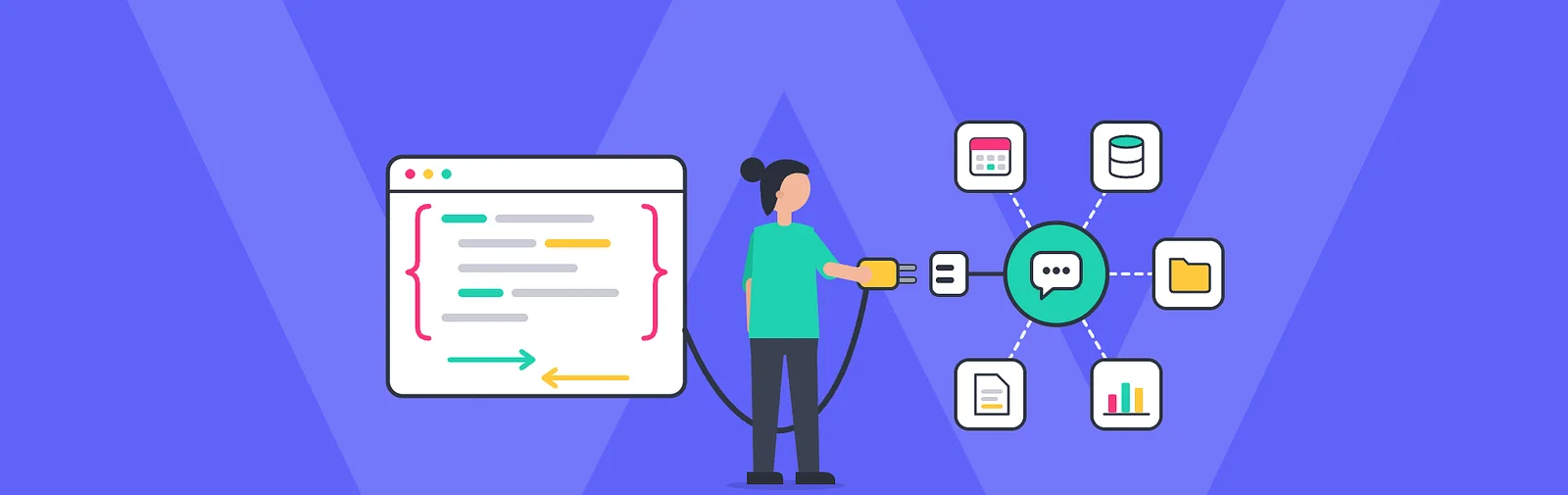
Illustration of a person plugging an API code window into an AI agent hub connected to calendar, database, file, document and analytics tools

MCP vs API: Does Your Product Need an MCP Server?

blog post publisher

Andi Nicolescu

CTO

Reading time: 8 min

Oct 28, 2026

MCP vs API for product teams. Learn how the two differ, whether MCP replaces your API, when your product needs an MCP server and how to keep AI agents secure.

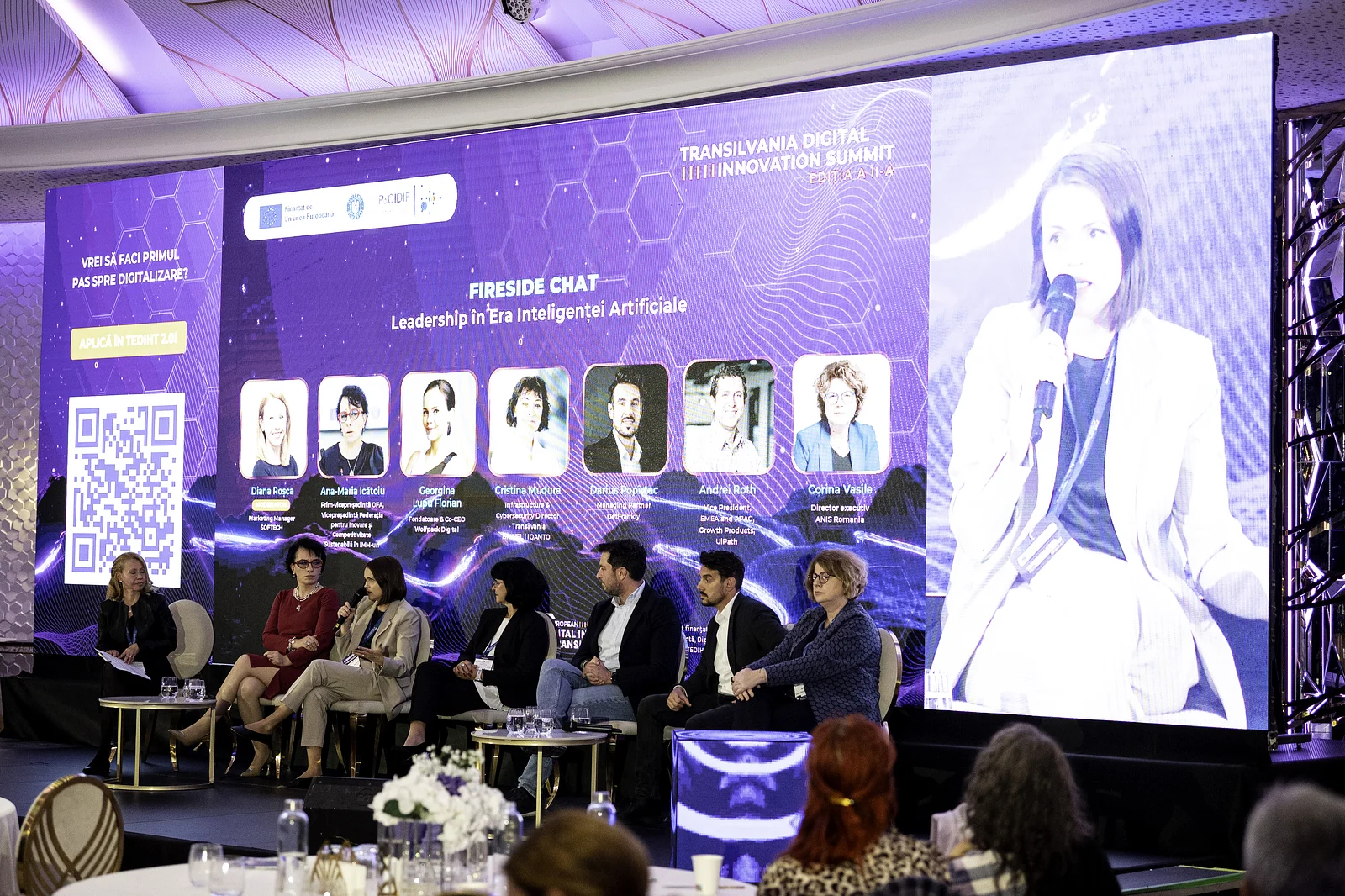
Georgina Lupu Florian speaking on the “Leadership in the AI Era” fireside chat panel at Transilvania Digital Innovation Summit 2026, with the speaker line-up on screen behind her.

The Budget Question Every Leader Faces in the AI Era

blog post publisher

Valentin Trif

Head of Business Development

Reading time: 6 min

Oct 15, 2026

Gina Lupu Florian on whether AI productivity gains should cut costs or create more value, from the Leadership in the AI Era fireside chat at TDIS 2026.

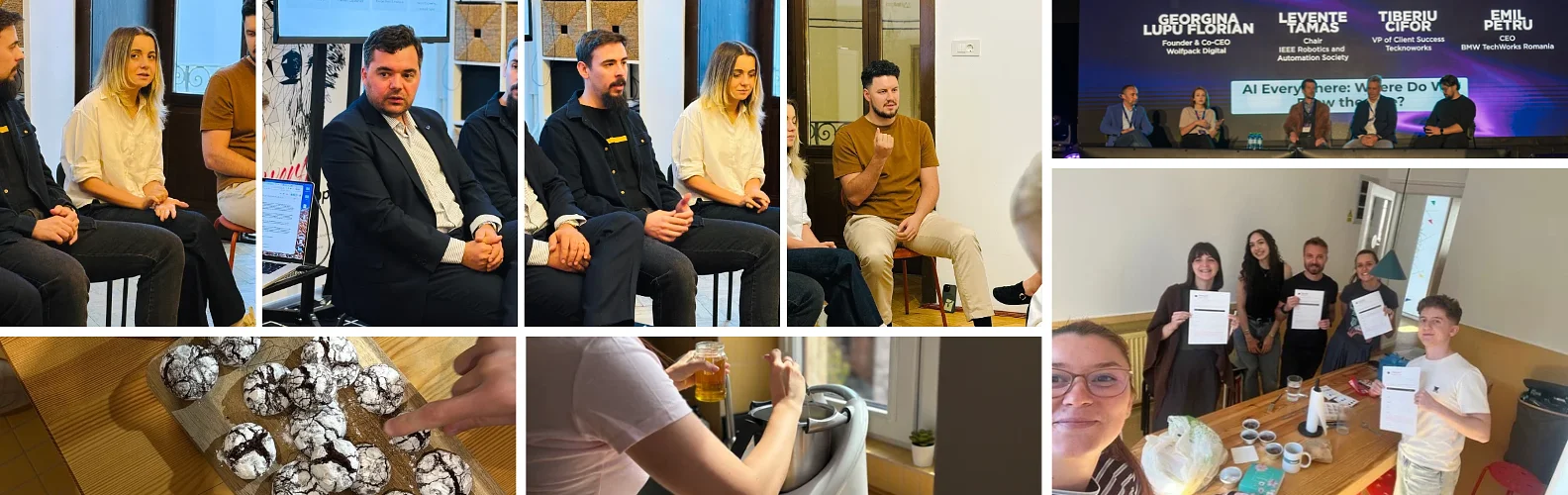
A collage of Wolfpack Digital’s Q3 2026: panelists in conversation at our Cluj meetup “AI takes you from zero to 60 in a weekend. What about the rest?”; Georgina Lupu Florian on the DevTalks stage in the panel “AI Everywhere: Where Do We Draw the Line?” with Levente Tamas, Tiberiu Cifor and Emil Petru; a tray of homemade crinkle cookies; ice cream being made in the office; and the team holding up their answer sheets after the chocolate-tasting competition.

Q3 2026 Wrap-up: The Pack's Summer Trail

blog post publisher

Gina Lupu Florian

Founder & co-CEO

Reading time: 7 min

Oct 15, 2026

Here's where the pack's trail led between July and September 2026, from two new portfolio projects to a busy season of community work in Cluj-Napoca.