










AI-native development

AI-native development is how we build by default now. Our senior team uses AI across the whole build, from the first product decision through the code, the tests and the documentation, so projects move faster with less time spent on repetitive work.

We have built software since 2015, and how we build has changed along the way. Today our team uses AI throughout that work, from the first product decision through the design, the code, the tests and the documentation. It has become our default way of working. AI handles the first pass and the repetitive parts, while our engineers, designers and QA make the calls, review the output and own the result. The point is not to replace the people who build your product. It is to give them faster, sharper tools, so more of their time goes into the parts that need judgement.

what it means

What AI-native development means

AI-native development is our method. It is the way the team works now, with AI helping at each step and a senior person owning the result. It is included in our standard process and runs through everything we do: product design, web, mobile, QA and maintenance.

It is not the same as AI development. AI development is the software we build for you: generative AI, LLM features, agents and machine learning inside your product. That is a service. AI-native development is how we build any product, whether or not that product has AI in it. If you came here looking for the service, that page is the one you want.

Product design

We move from idea to testable screens sooner, so you see and react to real designs earlier in the process.

Development

Our developers use AI to speed up every stage of the build, with each line reviewed, tested and signed off before it ships.

QA

AI helps us write and keep up more tests than a deadline used to allow, so coverage goes up instead of getting cut.

Maintenance

Routine fixes, upgrades and documentation turn around quicker, so your product keeps getting proper attention after launch.

Product strategy

We use AI to explore options and pressure-test ideas early, so the decisions you make rest on more than a hunch.

the same lens, applied everywhere

How it shows up across every service

why it matters

Why it matters to you

You see something sooner

You get to a testable product sooner. When it needs AI, a working AI MVP can be ready in two to four weeks, enough to put in front of real users before you commit to more.

The quality holds

Nothing ships without a senior person reading it, testing it and putting their name to it. Faster does not mean looser.

It costs less over time

The repetitive work that used to add up in hours is cheaper now.

This is not vibe coding

Anyone can generate code now. Type a prompt, get a working function back. Code has turned into a commodity, and the tools that write it keep getting cheaper.

What you pay for is the senior team around the code. We use AI to go faster, but every line is read, tested and signed off by an engineer before it ships. We handle the QA, the security, the infrastructure and the judgement calls a model cannot make for you.

AI writes the first pass, and it takes on the repetitive work that used to eat our time: the unit tests and documentation that got skipped whenever deadlines got tight. Now they are cheap enough to do on every project.

You get faster delivery at a lower cost, and the quality stays where it has always been.

partner reviews

what our partners say

insights

pack knowledge

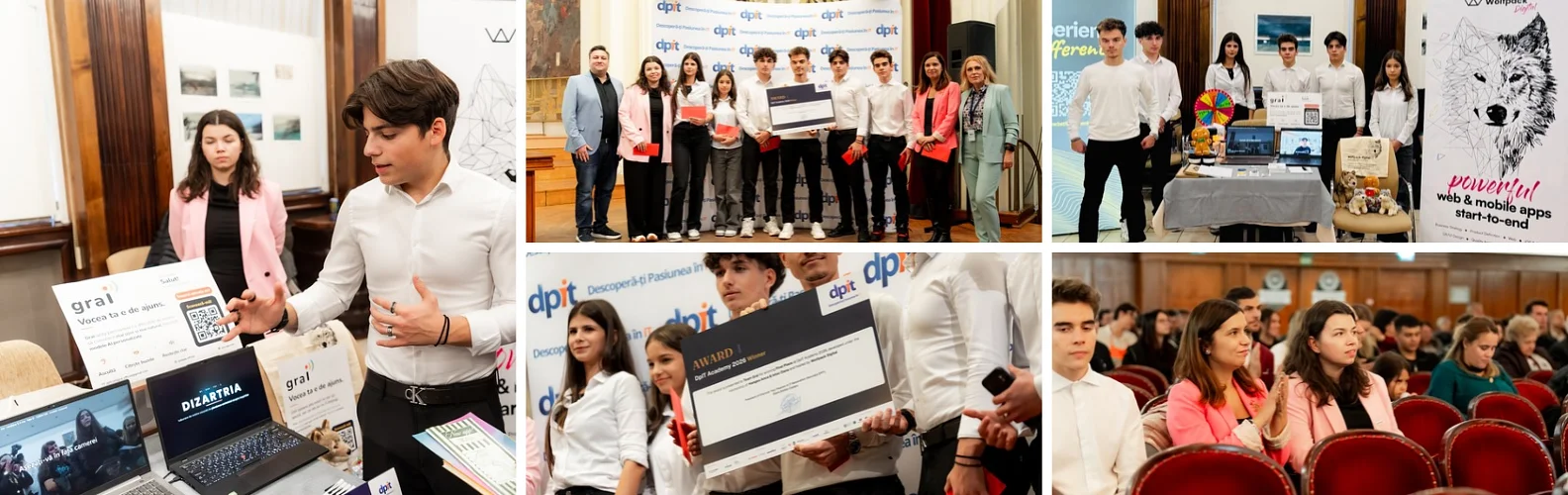
Photos of the Grai team at Academia DpIT 2026: presenting the app at their stand, holding the first-place award and in the gala audience

Grai, the team mentored by Wolfpack Digital, wins first prize at Academia DpIT 2026

blog post publisher

Cristina Strîmbu

Marketing Specialist

Reading time: 7 min

Nov 11, 2026

Grai, the team mentored by Wolfpack Digital, won first prize at Academia DpIT 2026 with a mobile AI app that helps people with severe dysarthria communicate.
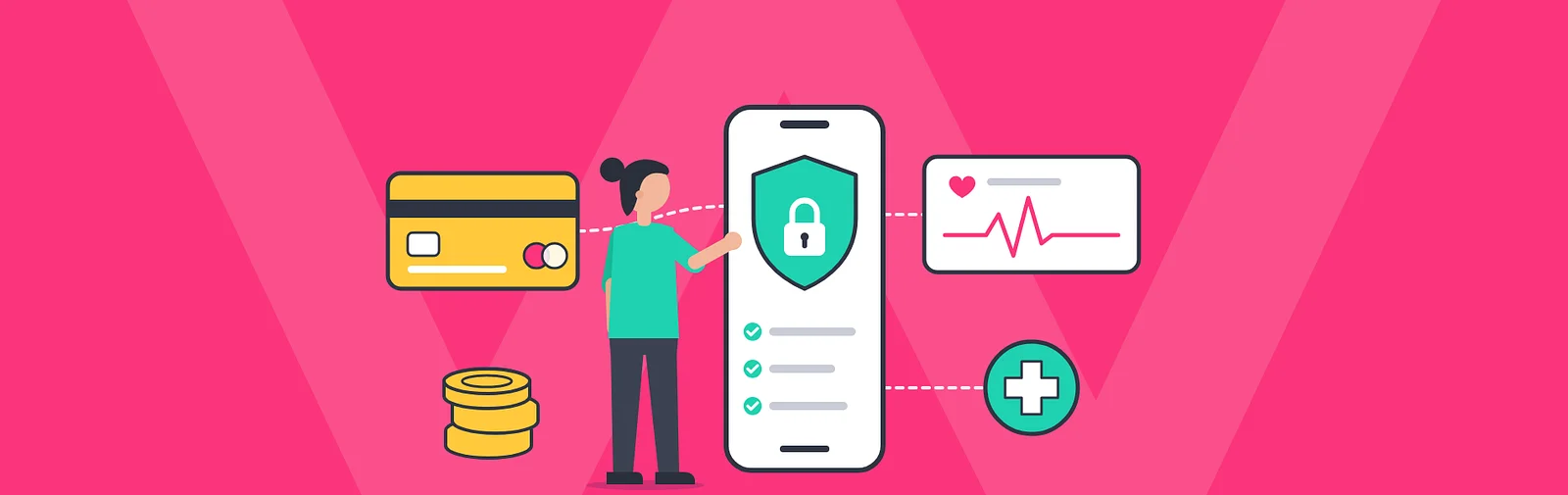

Illustration of a person in a teal shirt standing next to a large smartphone that shows a green security shield with a padlock and a checklist. A payment card and a stack of coins are on the left, and a heart-rate monitor card and a medical cross badge are on the right. Dashed lines connect them to the phone, all on a pink background.

Launching a Secure Product in Fintech and Healthtech

blog post publisher

Andrei Tobias

Software Developer

Reading time: 9 min

Nov 6, 2026

How enterprise teams launch secure, audit-ready products in fintech and healthtech, covering fintech compliance, HIPAA and secure by design from sprint one.

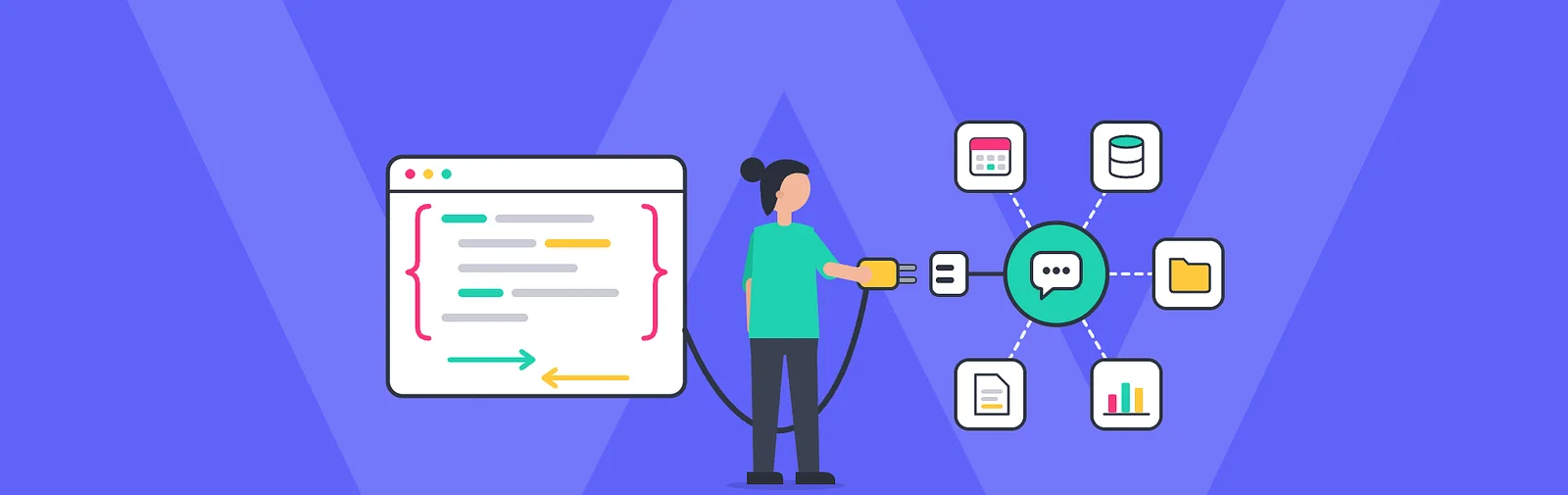
Illustration of a person plugging an API code window into an AI agent hub connected to calendar, database, file, document and analytics tools

MCP vs API: Does Your Product Need an MCP Server?

blog post publisher

Andi Nicolescu

CTO

Reading time: 8 min

Oct 28, 2026

MCP vs API for product teams. Learn how the two differ, whether MCP replaces your API, when your product needs an MCP server and how to keep AI agents secure.

FAQ

frequently asked questions

wolf
AI-native development is a way of building software with AI involved from the start, at each stage of the work, rather than added at the end. People review and test what it produces. It is how we build, not a product we sell.
AI development is the software we build for you, like generative AI, agents or machine learning inside your product. AI-native development is how we build any product, whether or not it has AI in it. One is what you get, the other is how we work. If you want the service, see our AI development page.
No. AI writes a first pass and handles repetitive work like tests and documentation. People then review and test that code before it ships. AI-native development speeds up the work, it does not replace the engineers.
No. AI-native development is how we build any product, from a straightforward web app to one where AI is the core feature. The product does not need AI in it for us to build it this way.
Yes. AI-native development is our default, but it is not forced. If you would rather we did not use AI in your build, tell us and we will work that way.
We have built software since 2015, and today a senior team of 70+ engineers, designers and QA uses AI at each stage of the work by default. AI-native development is not a label we added recently, it is simply how the team works now, with people reviewing and testing what the AI produces.