
Android app development

We build native Android apps in Kotlin and Jetpack Compose, for startups, scale-ups and enterprises. Our AI-native team takes your app from design to Google Play launch.

Native Android development means building an app with Google's own language and tools, such as Kotlin, Jetpack Compose and Android Studio. The app gets full access to the device's hardware and runs on phones and tablets from many different manufacturers.

some of what we build

Native Android apps

Apps that connect to devices

Apps that pair with hardware over Bluetooth Low Energy and Wi-Fi, including device setup, firmware updates and offline use. BrainCapture connects over Bluetooth to an amplifier on an EEG cap and works offline, PowerMedic is a tablet app that controls PowerMedic's HyperLaser, and GoalPlay connects to a smart goalkeeper glove.

Scanning and camera apps

Apps built around the camera, with OCR, document and test-result scanning, and QR codes. We built Anyline's Mobile Policing app around its scanning technology, to read licence plates, ID cards and passports, and Primary.Health's users scan and report their test results with the phone camera.

Apps for drivers and field teams

Tools for drivers and field teams, with GPS tracking, document uploads and live status updates. Get-e's drivers manage their rides and share their live location with passengers, and LoadHub gives transport drivers real-time GPS tracking.

Banking, payments and wallets

Card management, payments, Google Pay, cards added to Google Wallet, and fingerprint sign-in. Extra Karte lets Bank DiMare's credit card holders review statements, confirm payments and approve card security checks, and Cashli Funds gives users cash advances from a linked bank account.

Healthcare apps

HIPAA-ready apps for patients, clinicians and medical teams, from therapy programmes to medical imaging. U-Image's Android app lets healthcare professionals manage and share the images and videos from its wireless ultrasound devices.

Audio and video apps

Streaming, playback, recording and subscriptions. Voxa streams audiobooks and podcasts with recurring card payments, and Deezer's app lets fans switch the artist's voice off and sing along.

AI features in Android apps

Apps that use AI for speech-to-text, transcription and summaries. Over 200,000 meetings have been run on First Agenda, and we integrated its own AI speech-to-text feature into the Android app. Read about our AI integration services.

Booking, ordering and loyalty apps

Marketplaces, bookings, orders and rewards, with in-app payments, chat and QR codes. FlexiDrive lets learners book, reschedule and pay for driving lessons with local instructors, and Corrib Oil's customers order heating oil and track their loyalty rewards in the app.

Social and community apps

Feeds, profiles, ratings, comments, push notifications and social sign-in. Pearls lets parents set up child accounts and share posts publicly, with friends or privately, and RateStars lets users rate public figures and see the results in charts.

Full hardware access

Bluetooth, the camera, NFC and sensors work at full capability, with no plugin layer in between.

New Android features sooner

A native app can use new Android features as soon as Google releases them, without waiting for a framework to add support.

Native look and feel

Native components follow Google's Material Design, so screens behave the way Android users expect. Learn more about our product & UX/UI design services.

Works with existing Java code

Kotlin runs alongside Java, so an older Android app can move to Kotlin step by step instead of being rewritten.

benefits

Benefits of native Android app development

wolf
projects

our work

We specialise in premium mobile app development services, web development services, and everything that revolves around them: Product Design, Product Strategy, AI integration, QA and maintenance. Over the years, we've not only built powerful digital products but also played a key role in boosting conversion rates, optimizing performance, adapting to growing user bases, and improving app store rankings and reviews. These efforts have driven greater user engagement and significantly increased revenue.

FAQ

frequently asked questions

wolf
It depends on the app's scope, design, integrations and the range of devices it has to support. We usually work on a time-and-materials model, and fixed-price projects are also an option. You get a detailed estimate after a free discovery call. For a ballpark figure, read our app cost guide or try the AI cost estimator.
Start where your users are. If most of your audience uses Android phones, launching there first lets you test the product before paying for a second app. If you need both platforms from day one, a cross-platform app may be the better route.
Kotlin. Google has recommended it for Android since 2019, and Jetpack Compose, Android's modern interface toolkit, is built for Kotlin. Java still runs in many older apps, and the two languages work together in one codebase. Our post on Jetpack Compose explains the toolkit.
Not always. Native Android suits apps that rely on device hardware, heavy graphics or the newest Android features. Cross-platform suits apps that need Android and iOS from one codebase, often at a lower cost. Our post on React Native vs native iOS and Android compares them.
Yes. Android allows other stores, such as Samsung Galaxy Store and Huawei AppGallery, and direct installs for internal apps. We help you decide whether they make sense for your product. Our guide to third-party app stores explains more.
Yes. Google ships a major Android version every year and regularly raises Google Play's requirements for apps. Our app maintenance service covers OS updates, security patches and monitoring, and we keep building new features after launch.
AI takes the first pass and the repetitive work, such as drafting code, tests and documentation. A senior engineer reviews, tests and signs off every line before it ships. It's different from building AI features into your app, which is our AI development service. Read more about AI-native development.
A software company that has built web and mobile apps since 2015 for startups, scale-ups and enterprises. We're a team of 70+, headquartered in Cluj-Napoca with an office in Dublin, and ISO 9001, ISO 27001 and ISO 14001 certified. See our work or get in touch.
insights

related articles

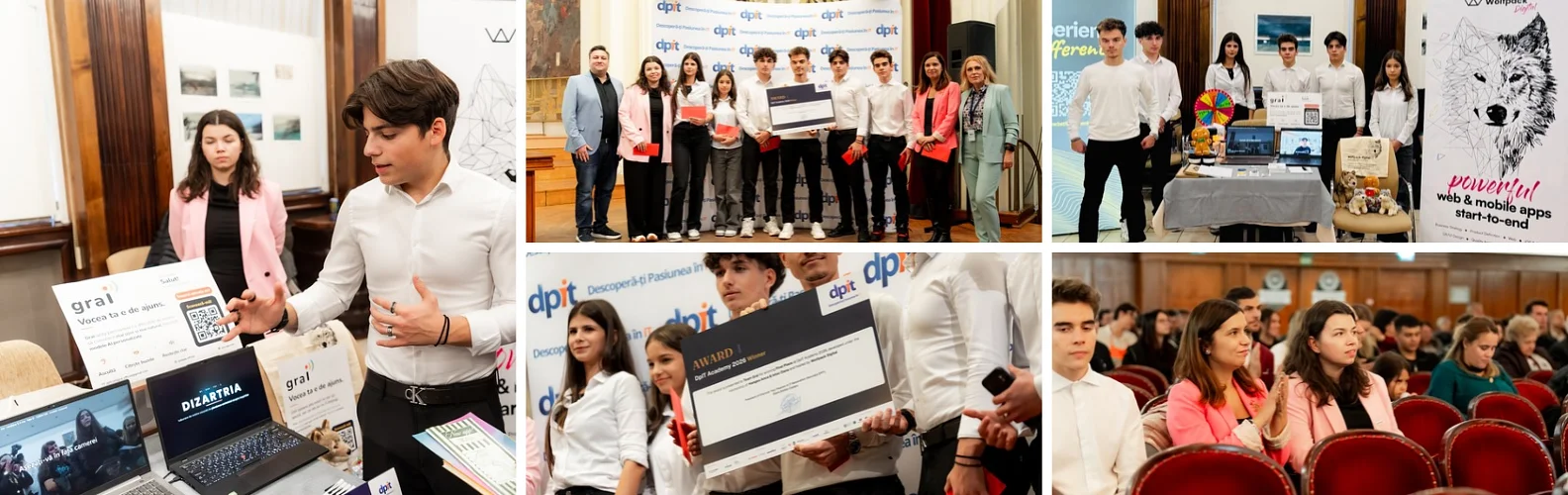
Photos of the Grai team at Academia DpIT 2026: presenting the app at their stand, holding the first-place award and in the gala audience

Grai, the team mentored by Wolfpack Digital, wins first prize at Academia DpIT 2026

blog post publisher

Cristina Strîmbu

Marketing Specialist

Reading time: 7 min

Nov 11, 2026

Grai, the team mentored by Wolfpack Digital, won first prize at Academia DpIT 2026 with a mobile AI app that helps people with severe dysarthria communicate.
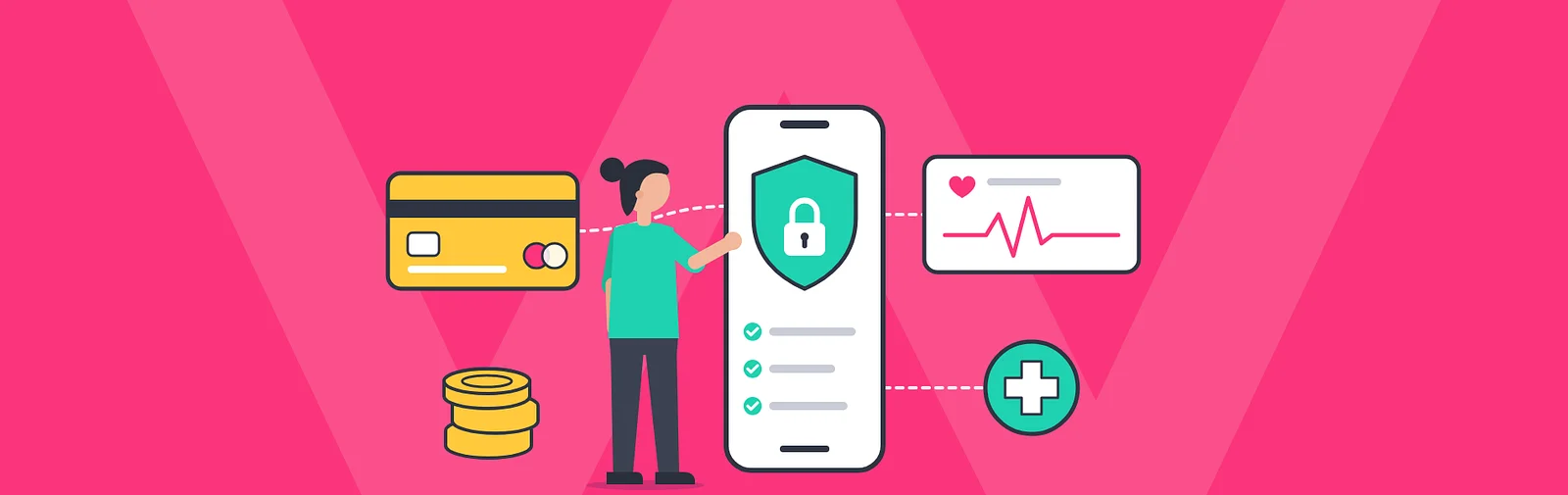

Illustration of a person in a teal shirt standing next to a large smartphone that shows a green security shield with a padlock and a checklist. A payment card and a stack of coins are on the left, and a heart-rate monitor card and a medical cross badge are on the right. Dashed lines connect them to the phone, all on a pink background.

Launching a Secure Product in Fintech and Healthtech

blog post publisher

Andrei Tobias

Software Developer

Reading time: 9 min

Nov 6, 2026

How enterprise teams launch secure, audit-ready products in fintech and healthtech, covering fintech compliance, HIPAA and secure by design from sprint one.

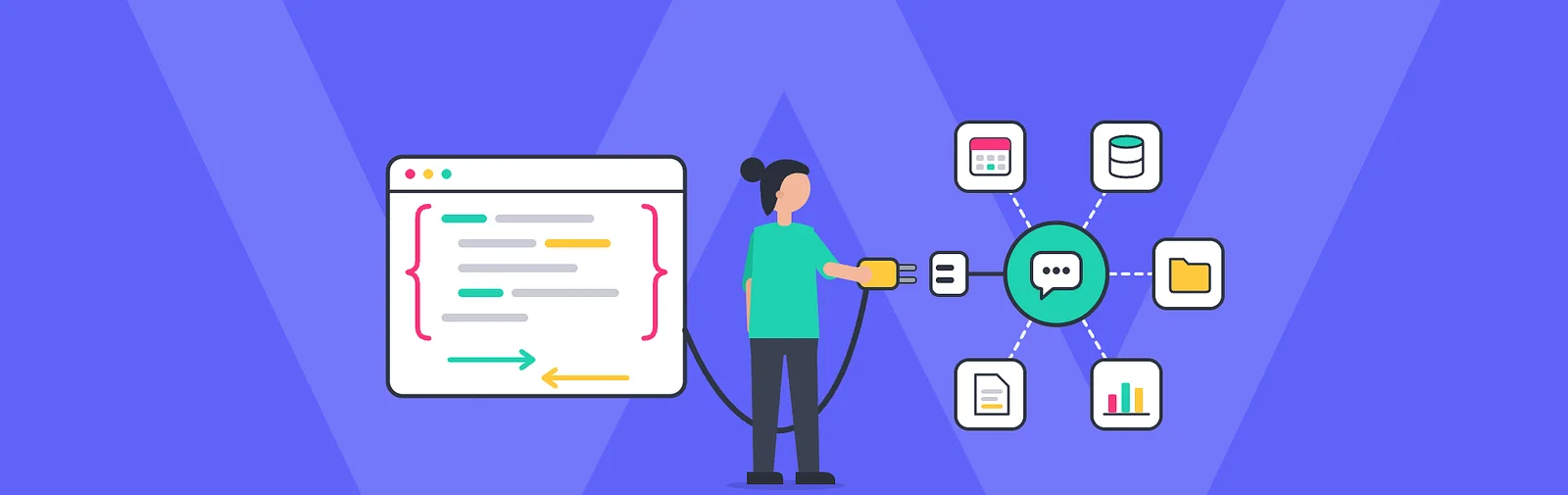
Illustration of a person plugging an API code window into an AI agent hub connected to calendar, database, file, document and analytics tools

MCP vs API: Does Your Product Need an MCP Server?

blog post publisher

Andi Nicolescu

CTO

Reading time: 8 min

Oct 28, 2026

MCP vs API for product teams. Learn how the two differ, whether MCP replaces your API, when your product needs an MCP server and how to keep AI agents secure.