Kotlin Multiplatform

Kotlin Multiplatform is a framework created by JetBrains (which is also the developer of the Kotlin language itself) that allows the sharing of business logic code across multiple platforms, including iOS, Android, Web, and Desktop.

As a Kotlin Multiplatform development company, Wolfpack Digital builds cross-platform mobile apps that share business logic across iOS and Android while keeping each UI fully native. Developing mobile apps with Kotlin Multiplatform is particularly advantageous for businesses looking to streamline their app development processes without compromising on native app quality and performance. It offers a practical approach to managing multiplatform projects efficiently while leveraging existing skills and tools in the Kotlin ecosystem. Kotlin Multiplatform lets us share business logic, networking, data handling, validation, across iOS, Android, and beyond, while keeping each platform's UI fully native. It's our choice when a client wants the efficiency of a shared codebase without compromising on a true native look and feel. Teams write core logic once in Kotlin and reuse it everywhere, which cuts duplication and keeps behaviour consistent between platforms. At Wolfpack Digital, we use Kotlin Multiplatform for mobile products that need native UX on each platform alongside the speed and reliability of shared, well-tested code.

poly

Reduced Development Time and Costs

By allowing the writing of common business logic and data-related code once and using it on multiple platforms, Kotlin Multiplatform significantly reduces the mobile app development services effort and associated costs. This shared codebase approach means that most bug fixes, features, and updates must be implemented only once, speeding up the development cycle.

Consistency Across Platforms

Kotlin Multiplatform helps maintain consistency in business logic across all platforms. This is crucial for functionality like data management, network communication, and algorithmic operations, ensuring that all app versions behave identically. We can also help you with specific iOS app development services or custom Android app development.

Native Performance and User Experience

Unlike other cross-platform frameworks that rely on bridges or web views, Kotlin Multiplatform will require you to create the UI separately for iOS and Android, using native frameworks like SwiftUI and Jetpack Compose. This means the apps retain a native look and feel and perform as well as fully native apps, providing an optimal user experience. Learn more about our product & UX/UI design services.

Flexibility and Scalability

Kotlin Multiplatform's adaptability allows deciding how much code to share across platforms while still utilizing platform-specific capabilities. This makes it highly adaptable for projects of varying complexities and sizes, building confidence in its ability to handle any project requirements.

Share logic, keep UI native

Kotlin Multiplatform shares core business logic across platforms while each app keeps a fully native UI, so you cut duplication and bugs without giving up the native look and feel users expect.


benefits

Advantages of developing mobile apps with Kotlin Multiplatform

wolf
projects

our work

We specialise in premium mobile app development services, web development services, and everything that revolves around them: Product Design, Product Strategy, AI integration, QA and maintenance. Over the years, we’ve not only built powerful digital products but also played a key role in boosting conversion rates, optimizing performance, adapting to growing user bases, and improving app store rankings and reviews. These efforts have driven greater user engagement and significantly increased revenue.

partners whotrustus

From startups to scale-ups and industry giants—brands across various industries choose us as their trusted partners. They rely on us to transform their ideas into stunning products, deliver innovative solutions, and enhance existing projects to help them stand out in the market.

insights

pack knowledge

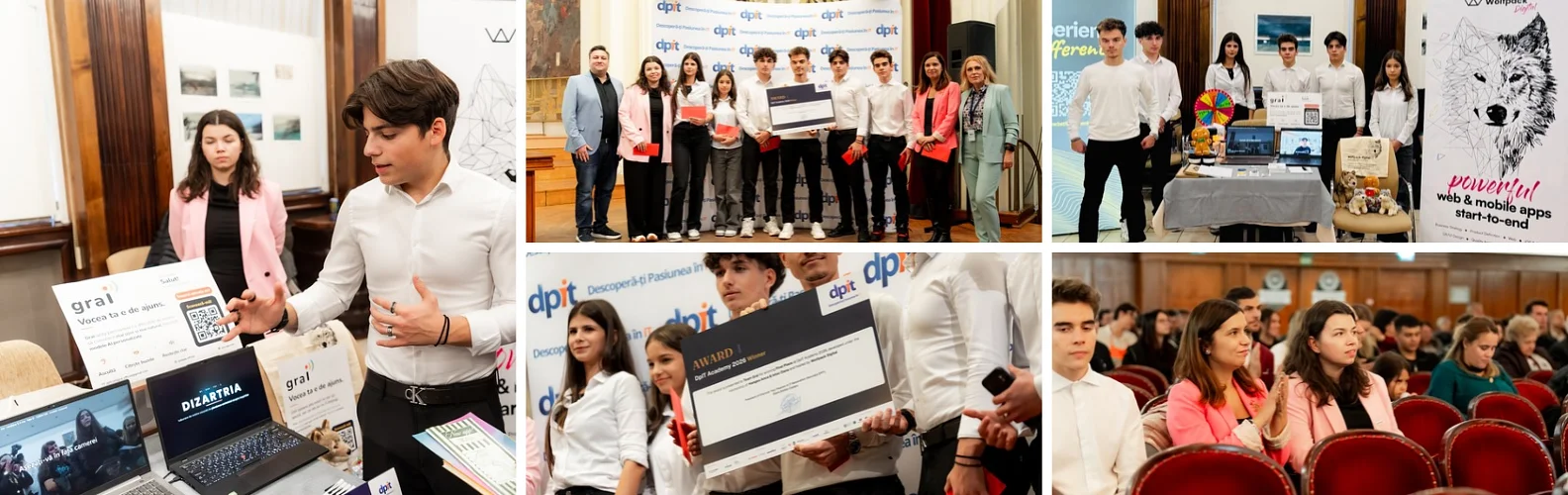
Photos of the Grai team at Academia DpIT 2026: presenting the app at their stand, holding the first-place award and in the gala audience

Grai, the team mentored by Wolfpack Digital, wins first prize at Academia DpIT 2026

blog post publisher

Cristina Strîmbu

Marketing Specialist

Reading time: 7 min

Nov 11, 2026

Grai, the team mentored by Wolfpack Digital, won first prize at Academia DpIT 2026 with a mobile AI app that helps people with severe dysarthria communicate.

Illustration of a person in a teal shirt standing next to a large smartphone that shows a green security shield with a padlock and a checklist. A payment card and a stack of coins are on the left, and a heart-rate monitor card and a medical cross badge are on the right. Dashed lines connect them to the phone, all on a pink background.

Launching a Secure Product in Fintech and Healthtech

blog post publisher

Andrei Tobias

Software Developer

Reading time: 9 min

Nov 6, 2026

How enterprise teams launch secure, audit-ready products in fintech and healthtech, covering fintech compliance, HIPAA and secure by design from sprint one.

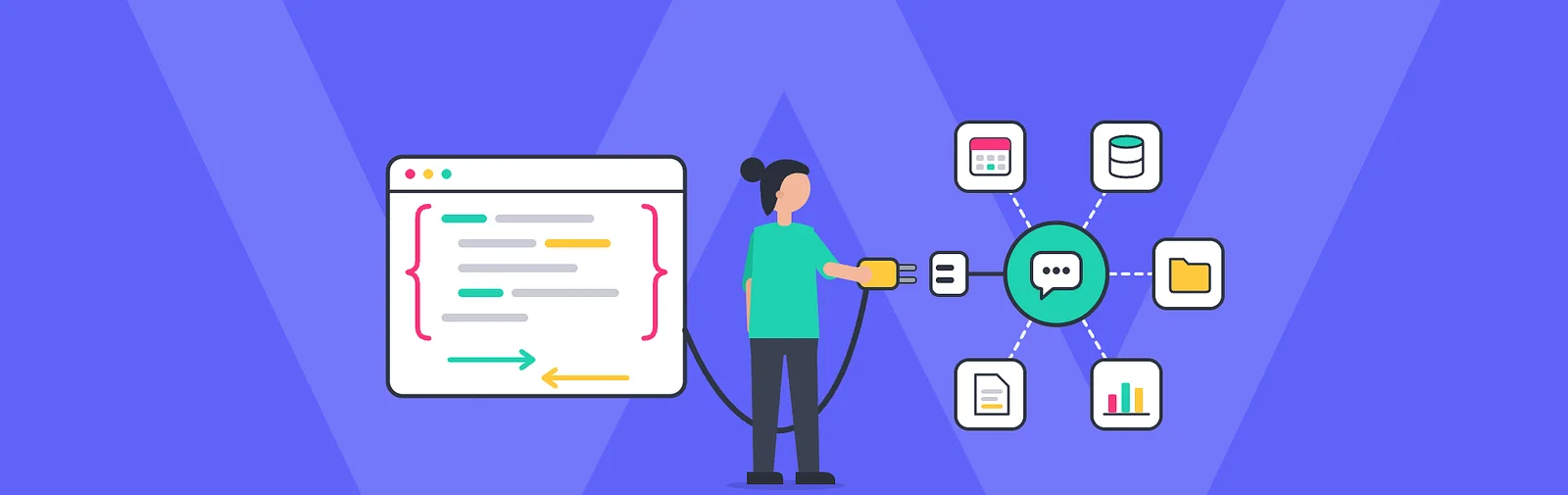
Illustration of a person plugging an API code window into an AI agent hub connected to calendar, database, file, document and analytics tools

MCP vs API: Does Your Product Need an MCP Server?

blog post publisher

Andi Nicolescu

CTO

Reading time: 8 min

Oct 28, 2026

MCP vs API for product teams. Learn how the two differ, whether MCP replaces your API, when your product needs an MCP server and how to keep AI agents secure.

FAQ

frequently asked questions

wolf
A technology that lets teams share business logic across iOS, Android, and other platforms while keeping each UI fully native.
Kotlin Multiplatform shares logic but keeps native UI per platform; Flutter shares both logic and a single UI. The right pick depends on how native you need each app to feel.
Yes. It's stable and increasingly adopted for sharing code across mobile platforms in real-world apps.
Often, yes. Sharing core logic across platforms cuts duplicated work while still allowing native UIs.
Yes. Kotlin is Android's primary language, so existing Kotlin logic can often be extracted and shared with iOS.