The European Accessibility Act: What It Requires and How to Comply

Andi Nicolescu
CTO
Reading time: 6 min
Published: Dec 4, 2024
Key takeaways
- The European Accessibility Act (EAA) has applied across all 27 EU member states since 28 June 2025 — it is now an in-force legal requirement, not an upcoming deadline.
- It covers businesses selling digital products and services into the EU, including e-commerce, banking, smartphones, computers, e-books, ATMs, and electronic communications.
- Digital accessibility compliance in practice means meeting EN 301 549, the harmonised standard aligned with WCAG (screen readers, keyboard navigation, colour contrast, adjustable text).
- Enforcement is national: authorities can demand corrective action, restrict or withdraw non-compliant products from the market, and impose fines that vary by member state.
- Microenterprises (under 10 employees and under €2M turnover) may be exempt where compliance is an undue burden, but most growing companies must comply.
The European Accessibility Act (EAA) is a European Union directive. It makes products and services more accessible to people with disabilities. The EU adopted it in 2019.
The act has applied across all 27 EU member states since 28 June 2025. Each state enforces it through its own national law. Shared standards like these make cross-border trade easier. They also help ensure accessible products and services across the EU.
The act covers key sectors. These include digital and physical products and services. Covered businesses and organizations must now meet its requirements.
At Wolfpack Digital, we build web and mobile apps. We have deep experience making them accessible and easy to use. We help businesses meet the EAA standards.
We don't just develop apps. We build solutions that every user can navigate, enjoy, and benefit from.
What is the European Accessibility Act?
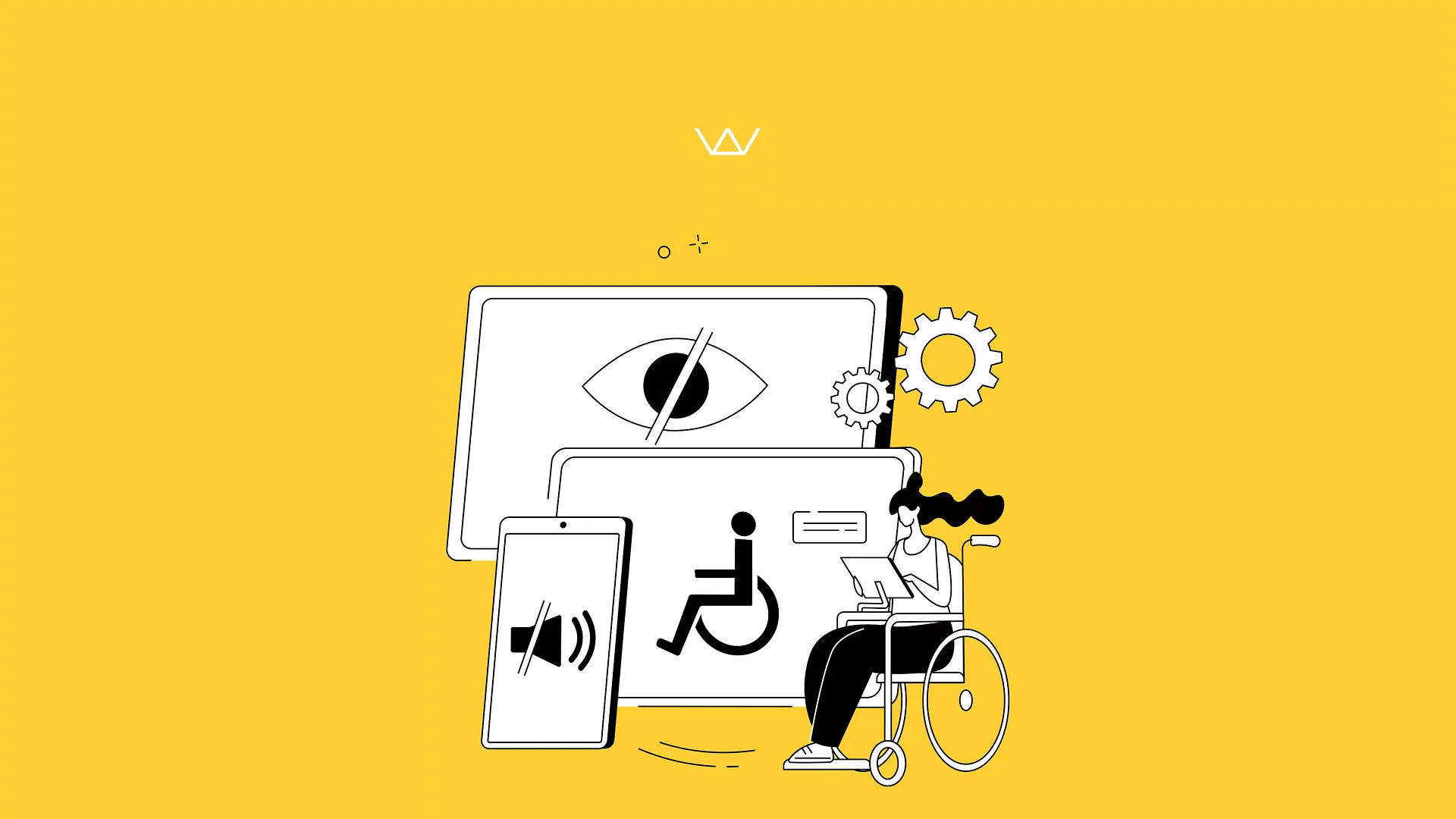
The EAA sets guidelines to make websites, apps, and digital services accessible to people with disabilities. The goal is equal access to digital products and services across Europe.
It covers many areas. These include screen reader support, adjustable font sizes, voice control, keyboard navigation, and high-contrast colors. For businesses, this act is about more than compliance. It is about inclusivity, equality, and reaching a wider audience.
This is only a short summary of the EAA. You can read the full directive here.
Why Accessibility Matters
Picture a user with low vision trying to make a transaction in an app. Or a senior who needs larger fonts to read the content. For them, accessibility is not a preference. It is essential.
At Wolfpack Digital, we believe great software should be accessible to everyone. So we prioritize digital accessibility from the start. We build best practices into every stage of development.
Products and Services Covered by the European Accessibility Act
The EAA applies to many products and services. It focuses on those essential to daily life.
These include computers and operating systems, smartphones, and e-readers. They also cover ATMs and payment terminals, e-commerce, banking services, e-books, and electronic communications and transport services.
Important note: Small businesses may be exempt. This applies to those with fewer than 10 employees and annual revenue under 2 million euros. The exemption holds only if compliance creates an undue burden.
Accessibility Requirements for Products and Services
The EAA directive outlines accessibility requirements for products and services. The aim is to make them usable by people with disabilities.
For digital products, this means meeting the harmonised standard EN 301 549. That standard aligns with the Web Content Accessibility Guidelines (WCAG). EU member states enforce these requirements. They also set penalties for non-compliance.
What Happens if a Product or Service Is Not Compliant?
Enforcement happens at the national level. The details vary by member state.
Say authorities find a product non-compliant. They can require the economic operator to fix it within a reasonable timeframe. That operator may be the manufacturer, importer, or distributor. Authorities can also impose provisional measures. For example, they may restrict or ban the product's availability.
Penalties for Non-Compliance
Member states set their own penalties. These can include fines, along with the corrective and provisional measures above.
The legal exposure is only part of the risk. An inaccessible product quietly excludes a large share of potential users.
How to Bring an Existing Product Into Compliance
Already have a live product? The path is simple in shape, even if the work varies.
First, audit it against EN 301 549 and WCAG. This includes testing with assistive technology. Next, fix the issues that block core user journeys first. Then build accessibility into your ongoing design and QA. That way, new features ship compliant instead of needing fixes later.
Why Choose Wolfpack Digital to Help Ensure EAA Compliance?
At Wolfpack Digital, we build powerful tech products start-to-end. We are your partner in creating digital experiences that are both engaging and accessible.
We bring years of experience building accessible apps across many industries. These include fintech, healthcare, IoT, and social. This makes accessibility a natural part of the journey.
Our team knows accessibility inside and out. We aim to build products that go beyond the EAA's legal requirements. Partnering with us ensures compliance. It also helps you reach a wider, more inclusive audience.
Our collaboration with Transreport shows this commitment. Transreport is one of the UK's fastest-growing accessibility technology companies.
Together, we built the Passenger Assistance app. We designed it following WCAG and in consultation with disabled people. It includes screen-reader and voiceover support, selectable high-contrast colour themes, and adjustable typography.
The app has surpassed 100,000 downloads. It has been featured on the Apple App Store homepage and in many media outlets, like Business Traveller and Tech.eu. It was also a finalist in the 'Inclusivity' category at the 2023 Apple Design Awards.
Our work with Transreport shows our expertise. We build apps that meet accessibility standards and improve the experience for everyone.
Let's Build Accessible Solutions Together
The EAA is now in force. Accessibility is both a legal requirement and a way to welcome every user.
We develop web and mobile apps start-to-end, and they meet accessibility standards. We help from the first assessment through development and beyond. Ready to make your digital products accessible to everyone? Contact us, and let's build a more inclusive digital world together.
Frequently Asked Questions
Is the European Accessibility Act in force now?
Yes. The EAA has applied across all 27 EU member states since 28 June 2025, enforced through national law. For covered digital products and services sold in the EU, accessibility is a legal requirement rather than an upcoming deadline.
What does the EAA require for digital products?
Digital products and services must be usable by people with disabilities. In practice, this means meeting EN 301 549, the harmonised standard aligned with WCAG. That covers screen-reader compatibility, keyboard navigation, adjustable font sizes, sufficient colour contrast, voice control, and clear, perceivable content.
Who has to comply with the EAA?
Businesses selling covered products and services into the EU must comply. This includes e-commerce, banking, smartphones and computers, e-books, ATMs and payment terminals, and electronic communications and transport services. Microenterprises (under 10 employees and under €2M turnover) may be exempt where compliance is an undue burden, but most growing companies do not qualify.
What are the penalties for non-compliance?
Enforcement is national, so penalties vary by member state. Authorities can require corrective action, restrict or withdraw a non-compliant product from the market, and impose fines.
How do I make an existing product EAA-compliant?
Audit it against EN 301 549 and WCAG, including testing with assistive technology. Fix the issues that block core user journeys first. Then build accessibility into your ongoing design and QA. Wolfpack Digital can run the audit and the remediation, or build a new product compliant from the start.