How to Build Products Investors Say Yes To | What We Learned in Dublin

Adrian Florian
co-CEO
Reading time: 5 min
Published: Mar 13, 2026
Key takeaways
- Investors are evaluating you as much as your product. Build relationships before you need them.
- Turn your most committed early customer into an investor. Their financial backing is a market signal no deck can manufacture.
- Validate that you're solving a real problem. Founder conviction is valuable; founder blindness isn't.
- Genuine passion for what you're building matters. It sustains you through the difficult stretches, and investors pick up on the difference.
- AI credibility comes from specific, measurable outcomes in the user's workflow, not general capability claims.
- Over-building before validation and under-investing in relationships are the two most common and most avoidable mistakes.
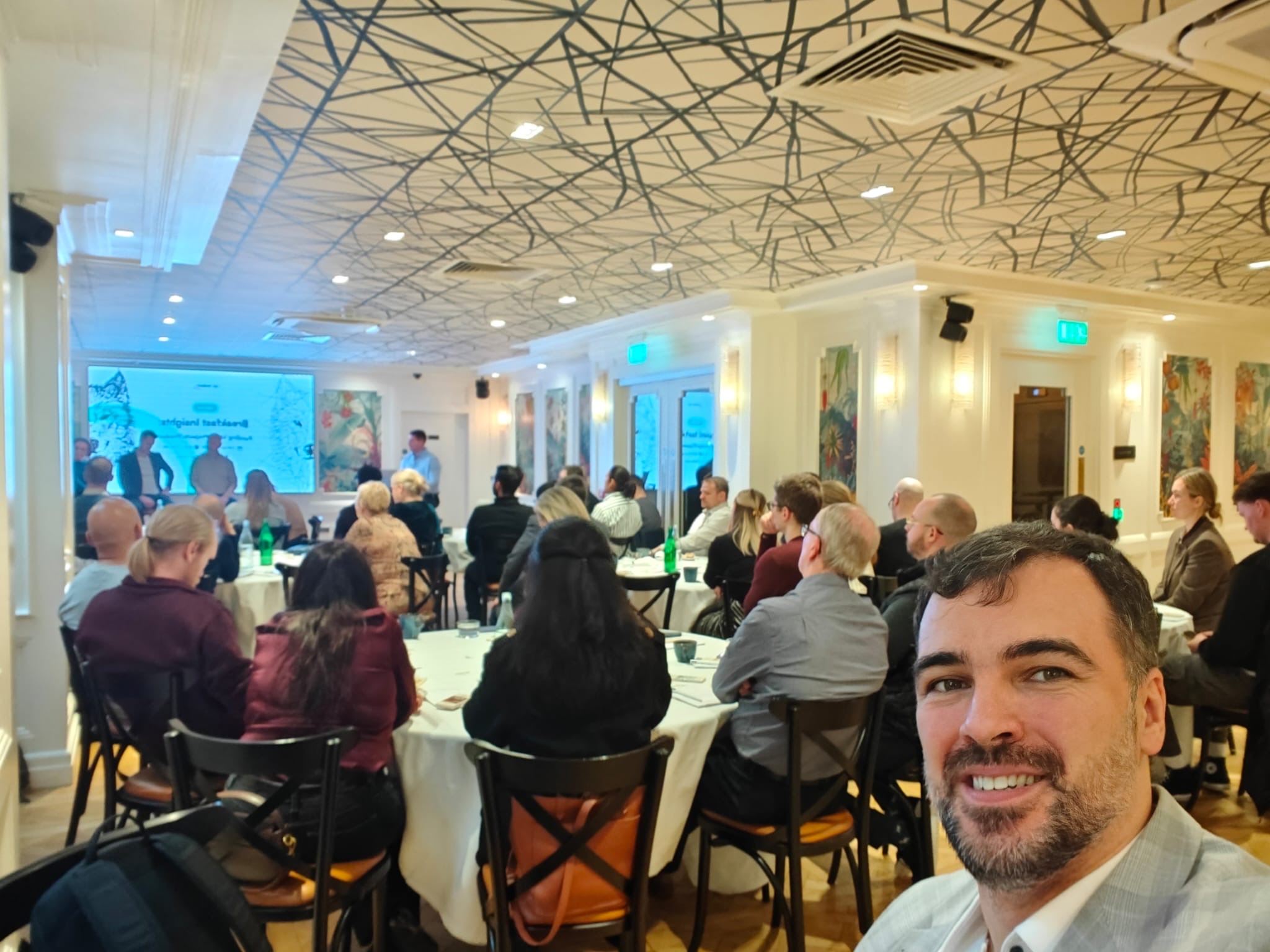
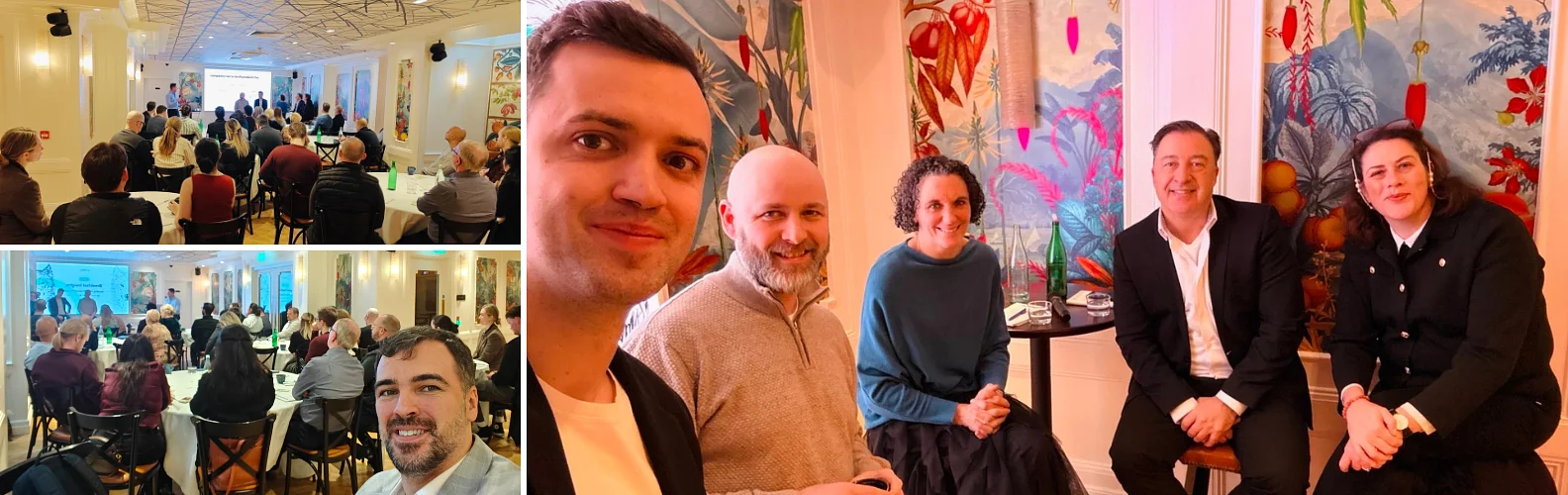
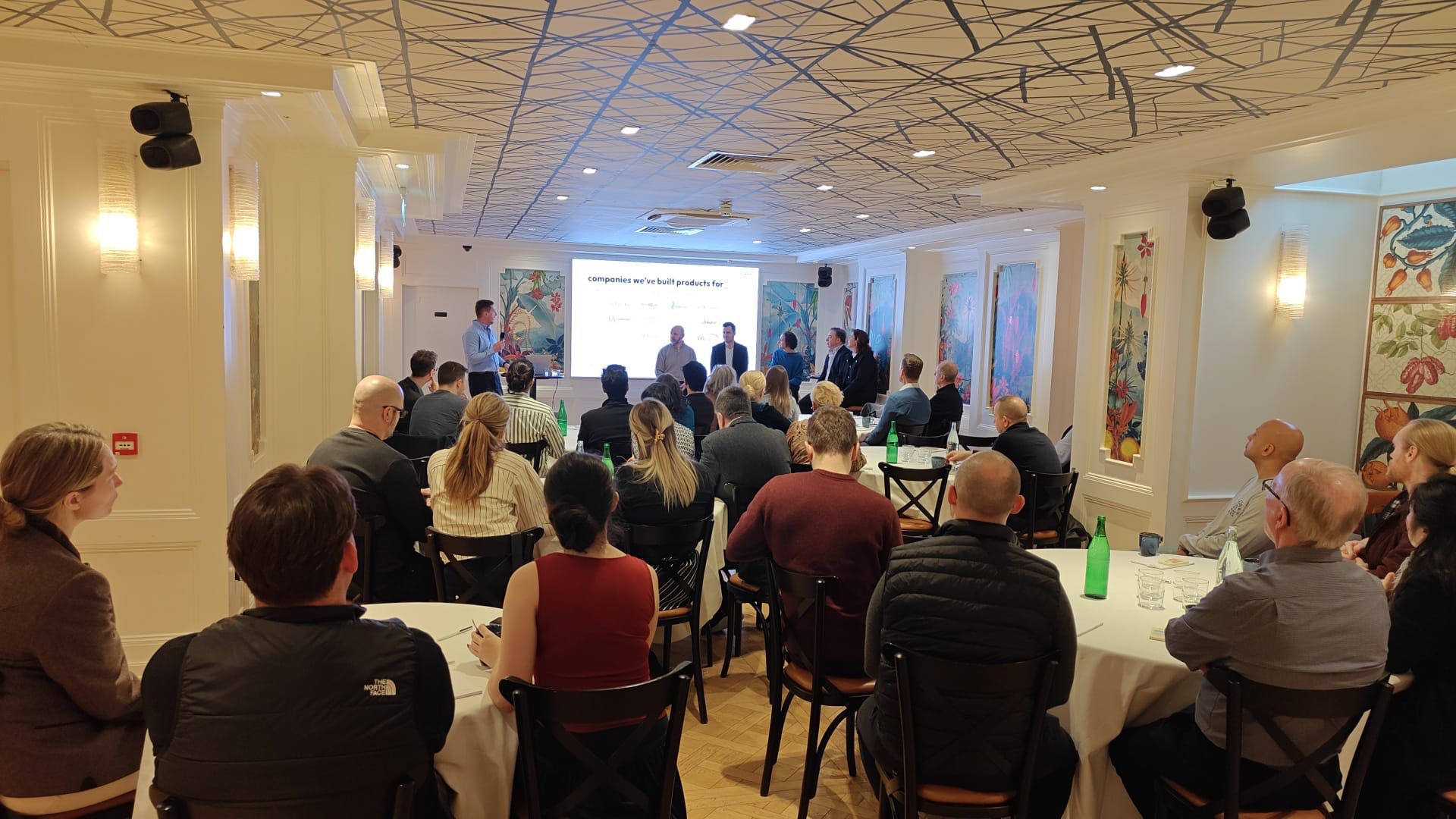
Early on a Thursday morning in Dublin, a room full of founders, product leaders, and builders sat down for breakfast and walked away with practical answers to the question every early-stage team wrestles with: what does it actually take to get a product funded?
On February 27, Wolfpack Digital hosted an exclusive Breakfast & Insights session at The Leinster Hotel, a moderated panel discussion with investors, accelerator leads, and founders, followed by an open Q&A and networking.
Here's what came out of it:
The Voices in the Room
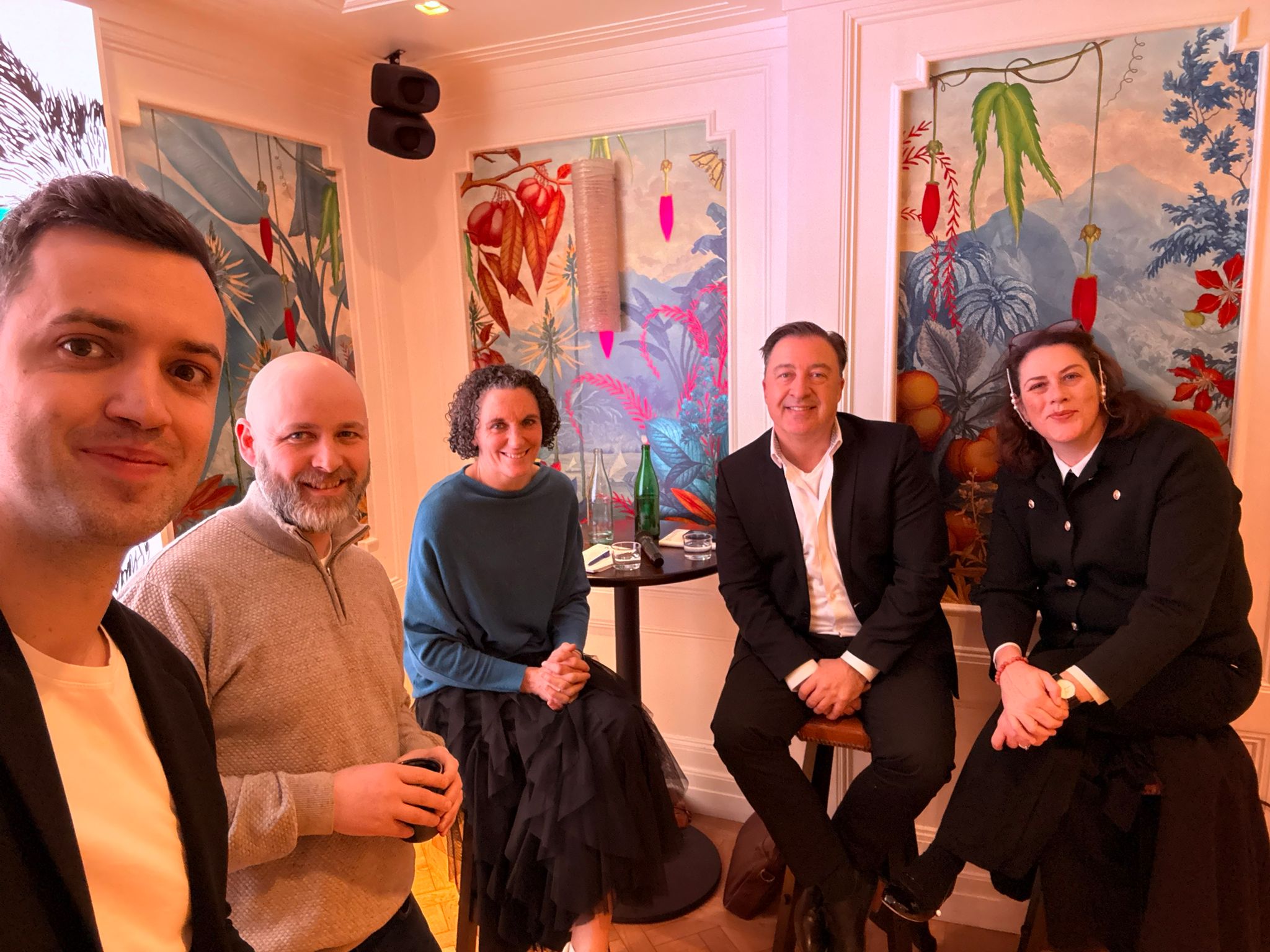
The panel brought together a sharp mix of perspectives from venture accelerators to independent funding advisors to active founders:
- Sinead Byrne - CEO & Founder, Prospera
- Majella Murphy - Head of Acceleration, Furthr
- Ronan McGrane - Irish Funding Expert & Managing Partner, R McGrane & Partners
- Ultan Sharkey- Managing Director, Sharkey Consulting
- Adrian Florian - Co-CEO, Wolfpack Digital
moderated by Valentin Trif, Head of Business Development at Wolfpack Digital.
1. What builds investor confidence before you have traction?
In short: relationships, founder credibility, and early customer retention matter more than metrics at the pre-traction stage.
This is the uncomfortable paradox of early-stage fundraising: investors want proof, but you often can't generate proof without the investment. So what do you show instead?
At this stage, relationships matter as much as metrics. Investors are not just evaluating a product, they're evaluating the person behind it. If they don't trust or respect the founder, the product doesn't matter.
"Nobody wants to invest in a business if they don't like the person inside it."
One of the more interesting tactics discussed: turn your best customer into your first investor. If a customer believes in your product enough to pay for it, they may also believe in it enough to back it financially. That signal from the market is something no pitch deck can replicate.
"Your first paying customers are the best candidates for early investors."
Which customer signals actually carry weight?
Paying customers who came back carry more weight than a long waitlist. Retention over a short period tells investors the product delivered on its promise and that the user found enough value to return rather than churn quietly.
Beyond that, behaviour around the product matters. A customer who refers others without being asked, or who has built their workflow around it, signals the product has moved past "interesting" into "necessary" and that's the threshold investors are looking for at this stage.
2. When does AI in your product build credibility and when does it backfire?
AI adds credibility when it solves a specific, measurable problem in the user's workflow. It becomes a red flag when it's a surface layer of automation dressed up as strategy.
AI is now part of almost every product pitch, which means it has stopped being a differentiator on its own. AI is credible when it solves a specific, well-defined problem. It becomes a red flag when it's a surface layer of automation dressed up as strategy. Investors have developed the pattern recognition to tell these apart.
Demonstrating AI's actual impact in measurable terms works better than abstract claims. Not "our AI improves efficiency" but a concrete before-and-after in the user's workflow, where exactly the model intervenes and what changes as a result.
Founders who can articulate what their AI doesn't do, where they've kept humans in the loop, where they've deliberately scoped the model's role, tend to come across as more considerate. Overclaiming AI capabilities is a warning sign for anyone writing a check.
3. Where Founders Go Wrong Before Funding
Building too much before validating the market
The most common mistake: investing heavily in product before confirming the market wants it. It's easy to go deep on architecture and features when what you actually need is more conversations with real users. Engineering progress can mask an unvalidated market assumption and investors spot this quickly.
Related to this is the trap of becoming too attached to your own idea. Passion matters, but passion that overrides market feedback becomes a problem. Investors want founders who are genuinely curious about whether their product solves a real problem, not founders trying to prove they were right from the start.
"Make sure your idea solves a real problem. Don't fall in love with your own idea."
Under-investing in relationships and communication
Founders often treat fundraising as something that starts when they need money, rather than something built over time. By then it's too late to build the kind of investor relationships that actually move deals forward.
A product that works but can't be clearly explained is stuck just the same as one that doesn't work. Learning to articulate what you've built and why it matters is a skill worth developing well before you're in a funding conversation.
Key Takeaways from Dublin
- Investors are evaluating you as much as your product. Build relationships before you need them.
- Turn your most committed early customer into an investor. Their financial backing is a market signal no deck can manufacture.
- Validate that you're solving a real problem. Founder conviction is valuable; founder blindness isn't.
- Genuine passion for what you're building matters. It sustains you through the difficult stretches, and investors pick up on the difference.
- AI credibility comes from specific, measurable outcomes in the user's workflow, not general capability claims.
- Over-building before validation and under-investing in relationships are the two most common and most avoidable mistakes.
What Made This Morning Different
One of the things that stood out about the Dublin session was how much of the insight came from failure and honest reflection, not just success stories. The panelists were generous with the things they'd gotten wrong, which made the things they'd gotten right land with a lot more weight.
The room was also genuinely engaged. The audience Q&A opened up deeper dives into the topics raised during the panel, followed by continued conversations over coffee.
That's exactly the kind of conversation Wolfpack Digital set out to create and we're already thinking about the next one!
Wolfpack Digital will be running more of these sessions. If you want to be on the invite list, get in touch.